
Are farmers overlooking the critical care cows need for optimal productivity? The role of cow care in sustainable farming can't be overstated, with proper management leading to reduced environmental impact and increased output. Caring for cows isn't just a compassionate choice; it's an economic imperative. By adopting structured environments and balanced diets, farmers ensure cattle health and efficiency, ultimately enhancing farm sustainability. This article outlines why providing such care is integral to modern livestock management and how sustainable practices, like eco-friendly waste management and rotational grazing, are reshaping the industry.
Importance of Cow Care in Sustainable Farming
Caring for cows is a cornerstone of sustainable farming, as it directly influences farm productivity and minimizes environmental impact. By ensuring that cows are housed in well-managed environments, farmers can enhance the animals' health and efficiency. When cows are healthy and productive, farms can achieve higher yields, whether in milk or meat, while reducing the carbon footprint associated with livestock production. Proper cow care also aligns with cow welfare standards, which are crucial for maintaining ethical farming practices and ensuring long-term sustainability.
Providing a structured environment and balanced diet is essential for cow health and productivity. A structured environment includes adequate shelter, clean living spaces, and proper ventilation, which collectively reduce stress and promote well-being. Balanced diets, composed of pasture grasses and grains, ensure cows receive the necessary nutrients for growth, milk production, and overall health. Nutritional management, coupled with appropriate shelter, allows cows to thrive, which in turn supports the farm's economic and environmental goals.
Sustainable cow care practices are foundational to achieving these objectives and include:
- Rotational grazing to maintain pasture health
- Eco-friendly waste management systems
- Utilizing renewable energy sources for farm operations
- Implementing water conservation techniques
- Regular monitoring of cow health and welfare
These practices not only support cow welfare but also contribute to the broader goals of sustainable farming, yielding benefits for both the environment and agricultural productivity.
Health Management Practices for Dairy Cows
Effective health management practices are essential for maintaining the well-being of dairy cows, ensuring high-quality milk production, and preventing the spread of diseases. Farmers must implement comprehensive health strategies to promote a healthy and productive herd, which ultimately supports the economic viability of the farm.
Regular Health Monitoring
Regular health monitoring is a fundamental practice that involves daily observation of cows to detect any signs of illness or distress. Farmers and farm workers should be trained to recognize early symptoms of health issues such as changes in appetite, behavior, or milk production. The use of technology, such as wearable sensors and automated health tracking systems, can enhance monitoring efforts by providing real-time data on cow health metrics. These tools help farmers make informed decisions quickly, minimizing the impact of health problems on the herd.
Vaccination Programs
Cow vaccination programs play a critical role in disease prevention and in maintaining herd immunity. Vaccinations are designed to protect cows from infectious diseases that could otherwise spread rapidly within a herd, leading to significant health and economic losses. By adhering to a well-planned vaccination schedule, farmers can safeguard their cows against common ailments such as bovine respiratory disease and mastitis. Effective vaccination programs are a proactive approach that reduces the need for antibiotics and supports overall herd health.
Veterinary Care
Veterinary care is indispensable for the ongoing health management of dairy cows. Routine check-ups by a qualified veterinarian allow for early detection of potential health issues and ensure that cows receive timely and appropriate treatment. Veterinarians provide expert guidance on nutritional needs, reproductive health, and disease management strategies. In cases of emergency, prompt veterinary intervention is crucial to address serious health conditions or injuries, minimizing the risk of long-term consequences for the cow and the herd. By prioritizing veterinary care, farmers can enhance animal welfare and productivity.
Nutrition's Role in Cow Productivity
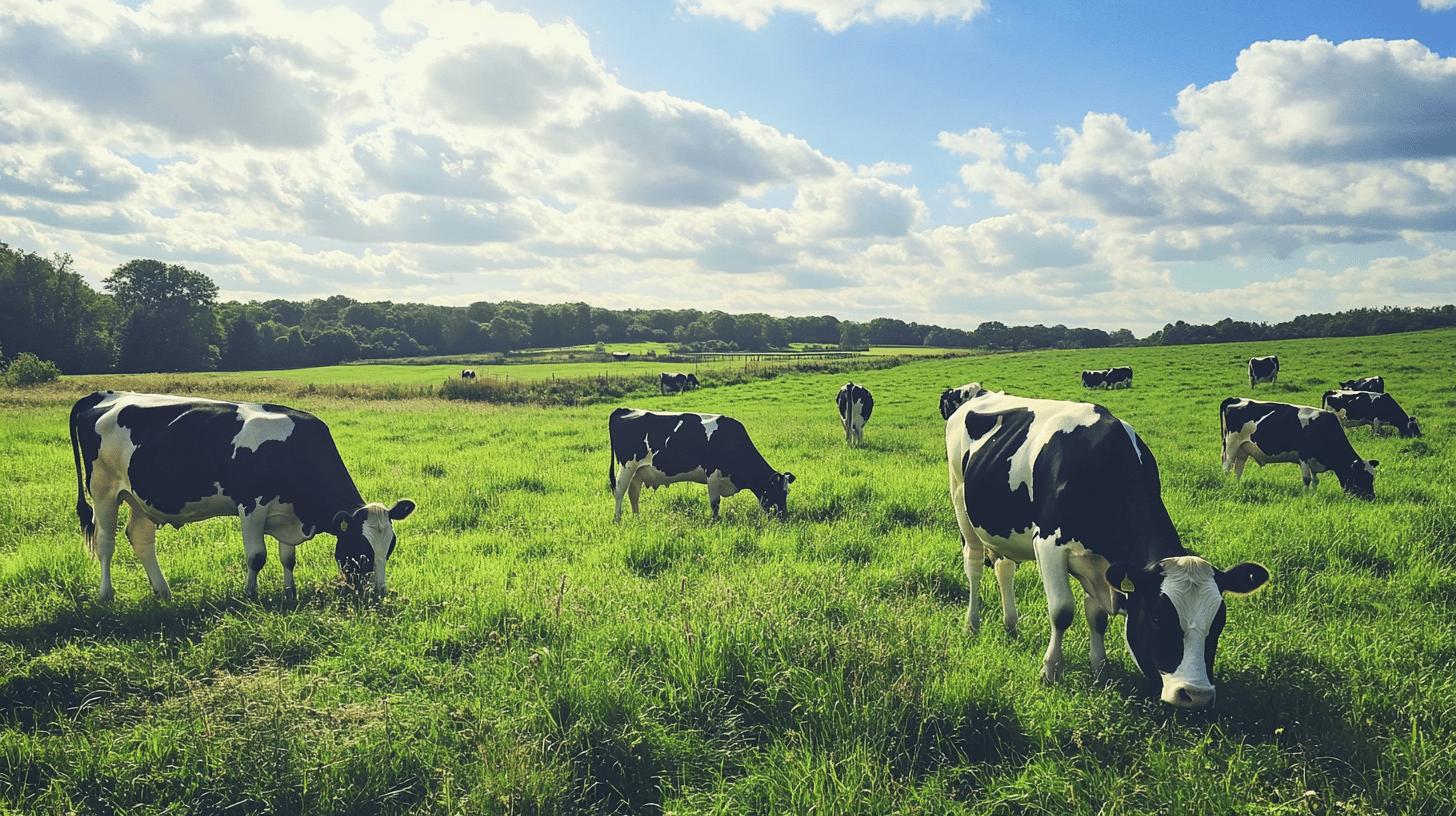
A balanced diet is crucial for optimizing cow productivity, directly impacting both milk yield and meat quality. Proper cow nutrition ensures that cows receive the necessary nutrients to maintain their health and maximize their output. By providing a well-rounded diet, farmers can enhance milk production, resulting in higher butterfat content and better overall milk quality, essential for dairy products like cheese and yogurt. Furthermore, a nutrient-rich diet contributes to the development of leaner and more flavorful meat, which is vital for meat quality and marketability.
Key components of a cow's diet include pasture grasses and grains, which supply essential vitamins, minerals, and energy. Pasture grasses, abundant in fiber, support digestive health and provide a consistent energy source. Grains, such as corn and barley, are excellent sources of carbohydrates and proteins, facilitating growth and milk production. Additionally, small grains like oats and wheat can supplement the diet, offering a variety of nutrients that contribute to the cows' overall well-being and productivity.
Feed and water management play a significant role in sustaining cow health, influencing their productivity and longevity. Ensuring cows have access to clean and fresh water is indispensable, as water intake directly affects milk production and metabolic functions. Proper feeding practices, including the regular provision of balanced rations, help maintain energy levels and support reproductive health. By managing feed and water effectively, farmers can prevent nutritional deficiencies and promote optimal health conditions for their livestock, leading to increased productivity.
| Nutrient | Benefit |
|—————|————————————|
| Fiber | Supports digestive health |
| Carbohydrates | Provides energy for milk production|
| Protein | Aids in growth and tissue repair |
| Vitamins | Boosts immune system function |
| Minerals | Essential for bone and muscle health|
Providing Adequate Shelter for Cows
Proper shelter for cows is fundamental in reducing stress and enhancing overall cow comfort. A well-designed cow shelter provides protection from harsh weather conditions, whether it be intense heat, cold, or rain, ensuring that cows remain healthy and productive. Stress reduction is critical, as it directly impacts cows' ability to produce milk and maintain a robust immune system. By minimizing stress through adequate shelter, farmers can promote better health outcomes and improve the cows' capacity to contribute to the farm's productivity.
Pasture management plays a vital role in offering comfortable living conditions for cows. Effective pasture management ensures that cows have access to sufficient grazing areas, clean water sources, and shaded regions to protect them from extreme weather. By rotating pastures, farmers allow for natural regeneration, maintaining high-quality feed and reducing the risk of overgrazing. This approach not only supports cow comfort but also contributes to sustainable farming practices, preserving the land for future use.
- Ventilation to maintain air quality and prevent respiratory issues
- Adequate bedding to provide comfort and insulation
- Shaded areas for protection from direct sunlight
- Weatherproof structures to shield against rain and wind
Ethical Farming and Farmer Responsibilities
Ethical farming embodies the principles of humane treatment and adherence to cow welfare standards, ensuring that cows are treated with respect and dignity throughout their lives. This approach not only improves the quality of life for livestock but also enhances the overall productivity of the farm. By prioritizing ethical farming, farmers contribute to a sustainable agricultural system that balances economic viability with moral responsibility. Maintaining humane treatment of cows is crucial, as it directly impacts the animals' health, behavior, and productivity, ultimately benefiting both the animals and the farming community.
Farmers bear significant responsibilities in upholding cow welfare and maintaining ethical standards within their operations. This involves providing a structured environment that caters to the physical and psychological needs of the cows. Farmers must ensure that cows have access to clean water, nutritious feed, and comfortable living conditions, such as adequate shelter and space. Additionally, fostering positive interactions between farmers and cows is essential, as it builds trust and reduces stress, leading to healthier and more content animals. Proper training and education for farmworkers on ethical practices further reinforce these responsibilities, promoting a culture of care and respect for livestock.
- Providing adequate space to prevent overcrowding
- Ensuring cows have access to clean and fresh water at all times
- Avoiding overworking cows to prevent fatigue and stress
- Implementing regular health check-ups and veterinary care
- Maintaining clean and hygienic living conditions for all cows
By adopting these ethical farming practices, farmers can fulfill their responsibilities towards the humane treatment of livestock, creating a more sustainable and productive farming environment.
Final Words
Examining cow care's role in sustainable farming reveals the impact on productivity and environmental health. Providing structured environments and balanced diets supports herd well-being and efficiency. Health management, including regular monitoring, vaccinations, and veterinary care, ensures disease prevention and high-quality dairy production.
Nutrition is crucial in enhancing cows' milk yield and meat quality. Effective feed and water management maintain optimal health and productivity. Adequate shelter and pasture management ensure cow comfort and reduce stress. Ethical farming practices uphold welfare standards, emphasizing humane treatment and farmer responsibilities.
Prioritizing cow care promotes sustainable farming and underscores why farmers need to care for cows, ultimately benefiting the agricultural ecosystem.
FAQ
What are the benefits of keeping cows?
Cows provide vital resources such as milk, meat, and leather. They also contribute to agricultural sustainability through manure used as fertilizer, which enhances soil fertility and reduces dependency on chemical fertilizers.
Why are cows important to the environment?
Cows improve the environment by recycling nutrients through their manure, supporting soil health, and promoting biodiversity through grazing, which maintains pasture ecosystems.
How do cows benefit humans?
Cows offer nutritional benefits through dairy and meat products while economically supporting communities through farming and related industries.
What is the importance of cows in Hinduism?
In Hinduism, cows symbolize fertility, non-violence, and prosperity. They are revered and often linked to religious practices and celestial symbolism.
Why do cows need to be milked?
Cows need to be milked regularly to maintain udder health and prevent discomfort from milk accumulation, which can lead to mastitis, a common udder infection.
Why is cow care important in agriculture?
Cow care is essential in agriculture to ensure productivity, maintain animal health, and support environmental sustainability. Proper care practices enhance milk production and improve overall farm efficiency.
What practices are used to take care of cows?
Farmers engage in regular health monitoring, provide balanced nutrition, offer adequate shelter, and ensure ethical treatment to maintain cow welfare and optimize agricultural productivity.
Why do farmers care for their animals?
Farmers care for their animals to ensure animal welfare, optimize productivity, and maintain ethical farming standards. Healthy animals contribute significantly to sustainable farming operations.
How do cows contribute to agriculture?
Cows contribute through nutrient cycling, pasture management, and producing essential commodities like milk and meat. Their presence supports soil health and agricultural ecosystems.
Discover Our Products




Our Story
At Goatzy, our story begins on the farm — in the early mornings, with the sound of animals stirring and the promise of another hardworking day. We’ve seen firsthand the challenges farmers face — from caring for animals in unpredictable weather to keeping equipment that truly lasts. That’s why we set out to create gear that works as hard as you do.
At Goatzy, we’re more than just a brand — we’re part of the farming community. We take pride in supporting the people who feed, care, and nurture the world. Our mission is simple: to create dependable, durable, and farmer-approved gear that keeps both animals and farmers comfortable, so you can work better every day.
You Free E-book