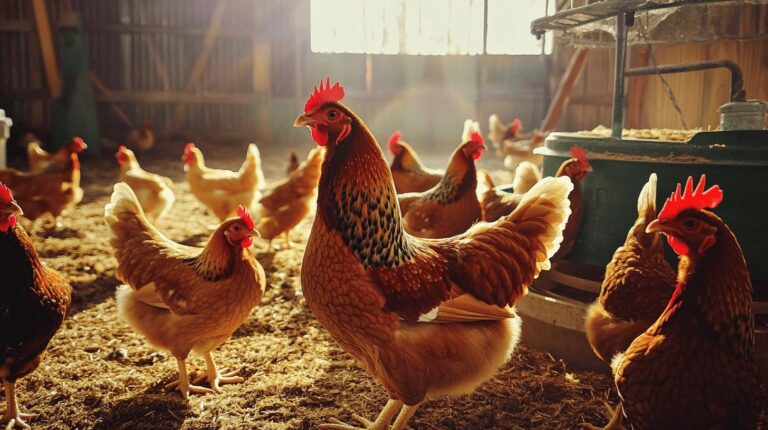

Is an automatic chicken feeder the secret to optimal poultry management? For breeders, embracing automation in feeding practices can revolutionize the way they care for their flocks. As feed waste is minimized and feeding schedules remain consistent, the overall health and productivity of chickens improve significantly. This investment not only streamlines operations but also leads to substantial cost savings by reducing manual labor and feed expenses over time. Dive into the benefits of automatic chicken feeders and discover why they are a game-changing asset for breeders aiming for efficiency and profitability.
Understanding the Benefits of Automatic Chicken Feeders
Automatic chicken feeders significantly streamline the feeding process for breeders, allowing them to save valuable time. By reducing the necessity for daily manual feeding, these feeders enable breeders to focus on other essential farm tasks, especially during hectic periods. The feeders efficiently maintain a consistent feeding schedule, which plays a vital role in ensuring chickens receive their meals at optimal times, thereby supporting their growth and health.
The efficiency provided by automatic feeders not only reduces the time commitment required from breeders but also enhances feeding precision. This leads to a decrease in feed waste, as the feeders dispense precise amounts of feed tailored to the flock’s needs. Such precision ensures that feed is kept fresh for longer periods, reducing spoilage and maintaining nutritional value. Ultimately, these factors contribute to a more cost-effective feeding process.
- Labor reduction due to minimized manual feeding
- Decreased feed waste through precise dispensing
- Consistent feeding schedule maintenance
- Extended freshness of feed
- Cost-effectiveness over time through reduced expenses
The cumulative benefits of automatic feeders positively impact overall poultry health and breeder satisfaction. By ensuring that chickens receive the appropriate nutrition consistently, breeders can achieve better flock productivity and health outcomes. Additionally, the reduction in labor and feeding costs allows breeders to allocate resources more effectively, enhancing their overall profitability and satisfaction with their poultry operations.
Cost-Effectiveness and Long-Term Savings with Automatic Feeders
Investing in automatic feeders may involve an initial cost, but the long-term financial benefits make them a smart choice for breeders. These feeders significantly reduce feed waste by dispensing precise amounts tailored to the flock’s needs, ensuring efficient use of resources. This precision not only minimizes wastage but also extends the freshness of the feed. Reduced waste and labor expenses offset the initial investment, leading to a potential return on investment. Automatic feeders streamline daily operations, allowing breeders to allocate time and resources to other crucial farm activities, enhancing overall operational efficiency.
| Cost Factor | Long-Term Savings |
|---|---|
| Labor Reduction | Decreased manual feeding time and effort |
| Waste Minimization | Precise feed dispensing reduces spoilage |
| Extended Feed Freshness | Longer lasting nutritional quality |
| Reduced Feeding Costs | Optimized feed usage and lower overall expenses |
By leveraging the cost-effectiveness and efficiency of automatic feeders, breeders can enhance their profitability. The reduction in labor and feed costs allows for better financial planning and resource allocation. Breeders benefit from improved productivity and reduced operational stress, leading to greater satisfaction and success in their poultry management endeavors. Automatic feeders, therefore, represent a wise investment for breeders aiming to optimize their operations and achieve long-term savings.
Feeding Precision and Nutritional Support for Chickens
Automatic chicken feeders offer breeders precise control over feed distribution, ensuring that each bird receives the exact amount needed for optimal health. This precision is crucial in preventing both overfeeding and underfeeding, which can negatively impact chicken growth and productivity. By maintaining the appropriate feed levels, breeders can safeguard the nutritional quality of the feed, thereby enhancing the overall well-being of the flock. Accurate feed dispensing aligns with the flock’s dietary needs, contributing to efficient resource use and reduced waste.
- Prevents overfeeding and underfeeding
- Supports optimal growth phases
- Enhances nutritional value of feed
- Reduces feed waste and spoilage
Consistent feeding schedules facilitated by automatic feeders are essential for maintaining the health and productivity of chickens. During critical growth phases, consistent feeding ensures that chickens receive their nutrients at the right times, supporting healthy development and improving overall flock productivity. Regularity in feeding also minimizes stress and promotes uniform growth, leading to a more robust and healthy flock.
Technological Advancements in Automatic Feeder Designs

Technological advancements in automatic feeder designs have revolutionized modern farming technology, offering breeders more efficient and reliable feeding solutions. These innovations have made automated feeding systems an integral part of poultry management, enhancing both the precision and convenience of feed distribution. By integrating cutting-edge technology, automatic feeders minimize labor requirements and maximize feeding accuracy, making them a valuable asset for breeders seeking to optimize their operations.
Modern feeders incorporate features such as rodent-proofing and weather resistance, addressing common challenges faced by breeders. Rodent-proof designs protect feed from pests, ensuring it remains uncontaminated and reducing waste. Weather-resistant materials and construction enable these feeders to function effectively in various climates, safeguarding feed quality and preventing spoilage. Additionally, adjustable feed dispensing allows breeders to tailor feed distribution to the specific needs of their flock, enhancing nutritional outcomes and reducing waste.
Automatic feeders are designed to be compatible with a range of farm sizes and conditions, offering flexibility to breeders with varying requirements. Whether managing a small backyard flock or a large commercial operation, these feeders can be adapted to meet diverse needs. Their durability and functionality across different environments make them a versatile investment, capable of enhancing productivity and efficiency in any poultry management setting. As feeder technology continues to evolve, breeders can expect further improvements, ensuring these systems remain a smart investment for poultry operations.
Practical Considerations for Selecting an Automatic Feeder
When selecting an automatic chicken feeder, breeders must focus on maintenance requirements and reliability. Ensuring the feeder is easy to clean and maintain prolongs its operational lifespan and ensures consistent performance. Reliable feeders reduce the risk of malfunctions which could disrupt feeding schedules, impacting flock health. Compatibility with farm size is another crucial factor, as the feeder must accommodate the specific needs of the breeder’s operation, whether small-scale or commercial. Thoroughly considering these aspects helps in choosing a feeder that aligns with operational needs while minimizing downtime.
User Reviews and Considerations
User experiences and reviews are invaluable in making informed decisions about automatic feeders. Feedback from other breeders highlights potential issues and benefits, offering real-world insights into performance and durability. Reviews often address factors such as ease of use, maintenance, and feeder efficiency, providing a clearer picture of how the feeder will function in everyday scenarios. By analyzing this information, breeders can select a feeder that has a proven track record of success, ensuring it meets their specific requirements.
Feeder capacity and security features are also critical considerations. A feeder’s capacity must align with the number of chickens, ensuring it can hold enough feed to maintain consistent supply without frequent refills. Security features, like rodent-proof designs, prevent feed contamination and spoilage, maintaining feed quality and reducing waste. By focusing on these elements, breeders can optimize their investment, ensuring the feeder enhances their operation’s efficiency and productivity.
Final Words
Investing in an automatic chicken feeder offers numerous advantages for breeders. These devices save time, reduce feed waste, and maintain consistent feeding schedules, promoting better poultry health. Financially, they offset initial costs through decreased labor expenses and feed savings, enhancing breeder profitability. Precise feed dispensing ensures nutritional accuracy, crucial for chick development. Technological advancements further improve durability and functionality. Considering features like maintenance and security is vital for an informed decision. Why the chicken feeder automatic is good investment for breeder who have chicken? It’s clear: optimal efficiency and long-term benefits position this as a sound investment.
FAQ
Are automatic feeders good for chickens?
Automatic feeders are beneficial for chickens as they reduce feed waste, maintain consistent feeding schedules, and ensure nutrient freshness. This improves overall flock health and supports optimal growth.
What are the benefits of using a chicken feeder?
Chicken feeders provide precise feed dispensing, minimize manual labor, maintain feeding schedules, and contribute to reduced feed waste, supporting better nutrition and poultry health.
What is the best type of feeder for chickens?
The best feeder for chickens varies based on farm size and needs, but it ideally includes features like weather resistance, rodent-proofing, and adjustable feed settings for optimal utility.
What is the most cost-effective way to feed chickens?
Using automatic feeders is a cost-effective method, as they lower long-term feed and labor costs by optimizing feed usage and reducing waste.
What are the technological advancements in automatic feeder design?
Modern automatic feeders include features like rodent-proofing, weather resistance, and precision feed dispensing, enhancing reliability and efficiency in various farm environments.
What should breeders consider when selecting an automatic chicken feeder?
Breeders should evaluate maintenance needs, reliability, capacity, and security features. It’s also important to consider user reviews for performance insights.
Are automatic chicken doors beneficial?
Automatic chicken doors offer convenience by allowing timed or light-responsive opening and closing, enhancing security and ensuring chickens are protected at night.
What are the key features to look for in automatic chicken doors?
Key features of automatic chicken doors include reliability, ease of installation, power source options, and weather resistance to suit different farm conditions.
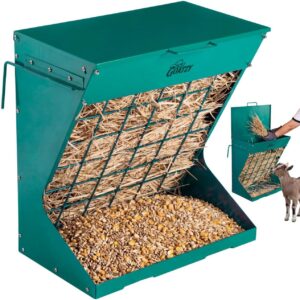
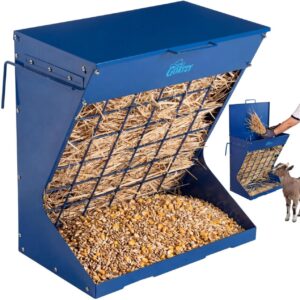
Discover Our Products
Our Story
At Goatzy, our story begins on the farm — in the early mornings, with the sound of animals stirring and the promise of another hardworking day. We’ve seen firsthand the challenges farmers face — from caring for animals in unpredictable weather to keeping equipment that truly lasts. That’s why we set out to create gear that works as hard as you do.
At Goatzy, we’re more than just a brand — we’re part of the farming community. We take pride in supporting the people who feed, care, and nurture the world. Our mission is simple: to create dependable, durable, and farmer-approved gear that keeps both animals and farmers comfortable, so you can work better every day.
You Free E-book